Everest Base Camp Trek: 14 Days — photo 1
Everest Base Camp Trek: 14 Days
A guided high-altitude journey through the Khumbu to Everest Base Camp and Kala Patthar, with two acclimatization days, Sherpa villages, Buddhist monasteries and close views of the world’s highest peaks
The Everest Base Camp Trek: 14 Days is a guided high-altitude journey through Nepal’s Khumbu region, beginning with a flight to Lukla and continuing through Phakding, Namche Bazaar, Tengboche, Dingboche, Lobuche and Gorak Shep. The trek reaches Everest Base Camp and Kala Patthar, with acclimatization days in Namche Bazaar and Dingboche to support safer altitude adjustment. This moderately challenging trek is best suited to travellers with good general fitness and a willingness to walk around 5–7 hours per day on steep, rocky and uneven mountain trails. Along the route, trekkers experience Sherpa villages, Buddhist monasteries, suspension bridges, glacial landscapes and close views of Mount Everest, Lhotse, Nuptse, Ama Dablam and other Himalayan peaks.
Expedition Highlights
- ✓Begin with a scenic mountain flight to Lukla: Fly above Nepal’s hills and deep river valleys toward the Himalayas before landing at Lukla, the dramatic gateway to the Everest region and the starting point of the trek.
- ✓Follow the legendary trail from Lukla to Everest Base Camp: Walk through the Dudh Koshi Valley, cross high suspension bridges and pass prayer wheels, mani walls and traditional Sherpa settlements on the classic route toward Everest.
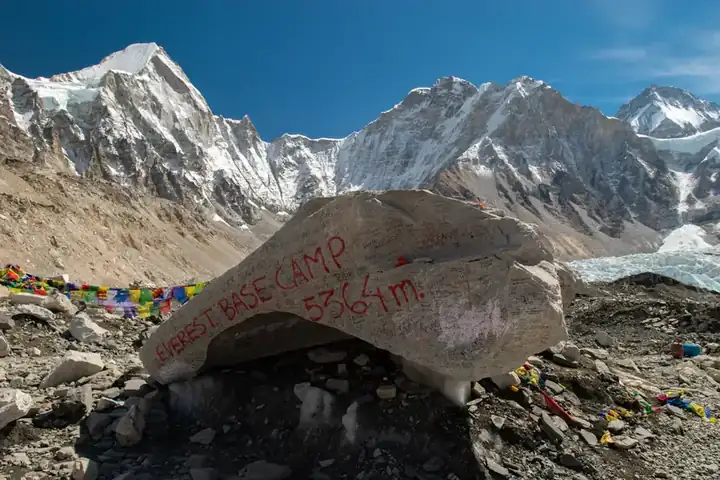
- ✓Stand at Everest Base Camp at 5,364m: Reach the foot of Mount Everest and look across the Khumbu Glacier toward the dramatic Khumbu Icefall, one of the most powerful landscapes in the Himalayas.
- ✓Watch Everest at sunrise from Kala Patthar: Climb to approximately 5,545m for the trek’s finest close-range panorama of Mount Everest, Nuptse, Pumori, Changtse and the surrounding peaks glowing in the early light.
- ✓Experience the energy of Namche Bazaar: Spend time in the Everest region’s colourful mountain hub, where trekkers, Sherpa families, lodge owners and traders meet beneath steep Himalayan slopes.
- ✓Enjoy two essential acclimatization days: Adjust gradually to high altitude in Namche Bazaar and Dingboche, reducing the risks of a rushed ascent while adding rewarding side hikes and wider mountain views.
- ✓See Ama Dablam from its most beautiful angles: Watch this sharply shaped Himalayan peak dominate the skyline as the route passes Tengboche, Pangboche and Dingboche.
- ✓Visit Tengboche Monastery: Experience one of the Khumbu region’s most important Buddhist centres, surrounded by forested ridges and a remarkable amphitheatre of snow-covered mountains.
- ✓Walk through changing Himalayan landscapes: Move from green valleys and pine forests to windswept alpine slopes, rocky moraine, frozen streams and the glacial wilderness above Lobuche.
- ✓Discover Sherpa villages and mountain culture: Pass through communities shaped by Buddhism, trade, mountaineering and generations of life in one of the world’s highest inhabited regions.
- ✓Stay in traditional Himalayan teahouses: End each trekking day with warm meals, simple mountain rooms and shared dining spaces where travellers exchange stories beside the stove.
- ✓See several of the world’s highest mountains: Enjoy views of Everest, Lhotse, Nuptse, Makalu, Cho Oyu, Pumori, Thamserku and Kangtega from different sections of the trail.
- ✓Trek inside Sagarmatha National Park: Travel through a protected UNESCO-listed landscape known for deep valleys, rare Himalayan wildlife, glaciers and some of Earth’s highest peaks.
- ✓Trek with licensed local professionals: Travel with qualified guides supported by a team with 15–18 years of trekking-industry experience, local trail knowledge and practical high-altitude awareness.
Short Itinerary
- 01
Arrival in Kathmandu – 1,345m
1,345m
- 02
Scenic Flight to Lukla and Trek to Phakding – 2,610m
2,610m
- 03
Trek from Phakding to Namche Bazaar – 3,440m
3,440m
- 04
Acclimatization Day in Namche Bazaar – 3,440m
3,440m
Private Note
Itineraries may adjust for weather, flight schedules, or trail conditions. We recommend two spare days after your trek for Lukla flight delays. Custom private departures available year-round.
At a Glance
Everything essential, before you go deeper.
14 Days
5,545m
Challenging
- Country
Nepal
- Activity
Trekking
- Best Season
Mar–May, Sep–Nov
- Accommodation
Teahouse / Lodge Trek
- Meals
Included
- Start / End
Kathmandu → Lukla → Namche → Tengboche → Dingboche → Lobuche → Everest Base Camp → Lukla → Kathmandu
Overview
Everest Base Camp Trek 14 Days at a Glance
The Everest Base Camp Trek: 14 Days is a guided high-altitude journey through Nepal’s Khumbu region, beginning with a flight to Lukla and continuing through Phakding, Namche Bazaar, Tengboche, Dingboche, Lobuche and Gorak Shep. The trek reaches Everest Base Camp and Kala Patthar, with acclimatization days in Namche Bazaar and Dingboche to support safer altitude adjustment.
This moderately challenging trek is best suited to travellers with good general fitness and a willingness to walk around 5–7 hours per day on steep, rocky and uneven mountain trails. Along the route, trekkers experience Sherpa villages, Buddhist monasteries, suspension bridges, glacial landscapes and close views of Mount Everest, Lhotse, Nuptse, Ama Dablam and other Himalayan peaks.
Introduction to the Everest Base Camp Trek: 14 Days
The trail to Everest Base Camp begins long before the first step from Lukla. It starts with the idea of standing beneath the world’s highest mountain, following the same Khumbu valleys that have carried climbers, traders, monks and trekkers for generations.
The Everest Base Camp Trek: 14 Days immerses you in the heart of the Everest region, where mountain trails cross high suspension bridges, prayer flags move in the wind, and stone-built Sherpa villages rest beneath some of the world’s highest peaks. Changes are evident from one day to the next. The green river valleys gradually open out to pine forests and then open ground, followed by glacial moraine and the cold and rugged countryside around Everest Base Camp.
However, this trek is not just about making it to the base camp of Everest, which is at about 5,364 metres. It’s also a trip of watching Ama Dablam rise above Tengboche, hiking through the bustling mountain town of Namche Bazaar, visiting Buddhist temples and climbing Kala Patthar for up close and personal views of Mount Everest.
The trail is physically demanding, particularly up in the windy air above Dingboche and Lobuche. But there are special acclimatization days at Namche Bazaar and Dingboche to give the body time to adapt before reaching the highest part of the trek. A determined traveller, with reasonable general fitness and with a sensible pace and good preparation, can make the trek.
Trek Trove Himalaya leads this journey with a team whose members bring 15–18 years of trekking-industry experience. Each departure is accompanied by professional and licensed guides who know the route, where and when the communities are, how the weather is likely to behave and the practicalities of trekking at altitude.
If you are looking for a complete Everest experience, with challenging walks, Sherpa culture, spectacular scenery, quiet moments on the trail and the ultimate reward of reaching the base of Mount Everest, then this Everest Base Camp trek is for you – it’s a 14-day trek through the Himalayas.
Everest Base Camp Trek 14 Days Overview
The Everest Base Camp Trek: 14 Days is a well-balanced trek through Khumbu, featuring high adventure, Sherpa culture, a variety of Himalayan scenery and practical acclimatization. The journey starts with a flight to Lukla, then passes through Dudh Koshi Valley to Phakding and then heads up to Namche Bazaar, the principal trade centre of the Everest region.
From Namche, the trail continues through forested ridges, Buddhist villages and open alpine terrain toward Tengboche, Dingboche, Lobuche and Gorak Shep. As the stages go up, the landscape gets rougher and rougher. The pine forest gradually gives way as you can see more of the mountains and at around 5,364 metres you arrive at the glacial scenery of Everest Base Camp.
This itinerary includes two dedicated acclimatization days, one in Namche Bazaar and another in Dingboche. These are not really days off as they are commonly known. That’s because the trekker usually makes a short climb to a higher altitude before heading back down to sleep on the lower ground to acclimatize themselves to the lower oxygen level.
The highest point of the trip is Kala Patthar (5,545 metres). Everest Base Camp provides a closer look at the Khumbu Icefall, the lower slopes of Everest and a more complete mountain panorama is offered at Kala Patthar. From the rocky summit, trekkers can see Everest rising behind Nuptse, alongside Pumori, Lingtren, Changtse and other surrounding peaks.
This trek is medium to hard in terms of the altitude, the cold, the steep areas and the many days of walking. Most days on the treks will be spent on stone steps, on dirt paths, on suspension bridges, rocky moraine and uneven mountain paths, for approximately 5–7 hours. There is no need for any technical climbing experience, but preparation and the right attitude are crucial.
There are teahouses on the way which provide accommodation. Accommodation is very simple with basic private rooms, and basic meals and shared dining spaces, except at higher levels. Weather and location may limit services; electricity, Wi-Fi, hot shower and portable charging may be available for additional fees.
Trek Trove Himalaya will accompany you on your trek with licensed guides and a team with 15–18 years of experience in the trekking industry. Steady pace, practical use of altitude, honest communication and personal support from arrival in Kathmandu to completion.
Trek Guide
- Trip duration
- 14 days
- Trekking region
- Everest and Khumbu region
- Starting point
- Kathmandu
- Trek starting point
- Lukla
- Maximum altitude
- Kala Patthar, approximately 5,545m
- Main destination
- Everest Base Camp, approximately 5,364m
- Difficulty level
- Moderate to challenging
- Average walking time
- 5–7 hours per trekking day
- Accommodation
- Hotel in Kathmandu and mountain teahouses during the trek
- Best seasons
- March to May and September to November
- Acclimatization days
- Namche Bazaar and Dingboche
- Guide service
- Licensed and qualified local trekking guides
- Booking deposit
- 10% advance payment
- Remaining payment
- Payable after arrival in Nepal
Deep dive
19 topics · tap to expand
The Everest Base Camp Trek is more than a route to a famous destination. It is a gradual journey from Nepal’s green foothills into the cold, open landscape beneath the highest mountain on Earth.
The Everest Base Camp Trek is one of those journeys that begins with a mountain flight and slowly becomes something much bigger.
The experience starts with a flight over a mountain to Lukla, the runway is between steep hills and the first Himalayan peaks are visible beyond the clouds. The trail then passes through villages and forests, and over suspension bridges, leading up to the higher valleys of the Khumbu.
Every stage reveals a different side of the Everest region. You pass through bustling Sherpa villages, peaceful Buddhist temples, rhododendron woods, yaks’ pastures, and rocky glacial land. By the time you reach Everest Base Camp and Kala Patthar, the landscape feels completely different from where the journey began.
Experience the Thrilling Flight to Lukla
The trek starts with a flight from Kathmandu or Manthali to Lukla. The aircraft flies over small hills, terraced agricultural fields, and meandering rivers, culminating in the snow-capped Himalayas in the distance.
Landing in Lukla marks the true beginning of the adventure. Its streets are busy with trekkers, guides, porters, lodge owners and supplies being prepared for journeys deeper into the Everest region.
Walk Along the Dudh Koshi River
The lower trail follows the sound of the Dudh Koshi River through Phakding, Monjo and nearby settlements. Steel suspension bridges stretch across deep gorges, while prayer flags move above the rushing water.
The surroundings are still green here. The hillsides are covered with pine, fir and rhododendron forests, providing a gradual approach to the more elevated and exposed areas of the walk.
Cross the Famous Suspension Bridges of the Khumbu
The route crosses several suspension bridges, including high bridges stacked above older river crossings. Looking down, you can see the white water rushing through the valley, and trekkers, porters and pack animals crossing bridges slowly.
One of the most popular experiences along the Everest Base Camp trail is these crossings. They also show how deeply the route depends on the river valleys connecting one village to another.
Discover Namche Bazaar
Namche Bazaar appears like a natural amphitheatre built into the mountainside. Stone houses, cafés, bakeries, trekking shops and lodges rise in curved rows above the valley.
It is the commercial and cultural centre of the Khumbu. Trekkers stay 2 nights here to acclimatize, discover this town and start to get a glimpse of the high peaks that prevail on the upper route.
Experience the Thrill of Seeing Mount Everest
For many trekkers the first sight of Everest is one of the most emotional moments of the trekking journey. The mountain may first appear from a viewpoint above Namche, rising behind Lhotse and Nuptse.
It does not always look like the largest peak from this angle, but knowing that the distant summit is the highest point on Earth gives the moment a special weight.
Hike to the Everest View Hotel
Acclimatization hike above Namche heads towards the Everest View area where the view stretches out over the Khumbu. Under good weather conditions with clear skies, Everest, Lhotse, Nuptse, Ama Dablam, Thamserku and other peaks can be seen all at once.
The hike also provides an introduction to the concept of “climb high, sleep low” which is followed as part of acclimatization. During the day you will get to higher altitudes, and then sleep at Namche at a lower elevation.
Enter Sagarmatha National Park
The trail goes through Sagarmatha National Park where you will find glaciers, deep river valleys, alpine forests and towering peaks. The path is quite different as you ascend through the park.
Lower elevations include rhododendron, pine and fir forests. The vegetation is sparse, and the topography changes to dry slopes, rocky valleys and glacial areas further up.
Experience Sherpa Culture Along the Trail
Sherpa people are closely connected with mountains and live in the Everest region. Stone houses, chortens, prayer wheels, mani walls and monasteries feature in the daily environment that can be seen along the way.
Walking through these villages allows trekkers to see more than scenery. You explore the way people live, work, worship and welcome visitors in an environment defined by altitude, weather and the history of mountaineering.
Visit Tengboche Monastery
Tengboche Monastery is located on a wide ridge, with forest and mountains on its sides. Ama Dablam rises sharply beyond the village, while Everest, Lhotse and Nuptse may be visible in the distance.
The prayer, incense and prayer flags add a serene touch to the physical challenge of the ascent. Many trekkers find Tengboche to be one of the most memorable cultural experiences during the trek.
Walk Beneath Ama Dablam
The Ama Dablam remains one of the most prominent mountains throughout the middle section of the trail. It has a steep ridge and hanging glacier that can be seen from multiple villages, and change shape from village to village from Tengboche to Pangboche to Dingboche.
The mountains can seem closer and more dramatic than Everest during the middle stages of the hike. It then becomes a constant landmark as the trek goes into the upper Khumbu.
Experience the Landscape Transition to a Glacial Wilderness
The path gets more rocky and open above Dingboche. The trees disappear, temperatures fall, and the road winds up over rocky slopes, moraines and open valleys formed by glaciers.
This slow change renders the upper Everest path distant yet strong. The quiet, airlessness and vastness of the mountains remind trekkers that they are in one of the highest environments on earth.
Walk Past the Thukla Memorials
The climb above Thukla passes memorials dedicated to climbers and Sherpas who lost their lives in the Everest region. Stone monument and prayer flags are set against a backdrop of peaks and open sky.
The place has a quiet and dynamic atmosphere. It brings an added layer of history and respect to the journey; a reminder to those who visit that the Himalayas are beautiful, but should never be underestimated.
Reach Everest Base Camp
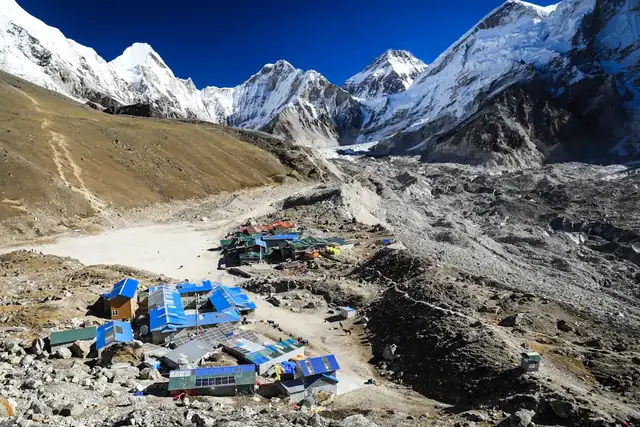
The final approach to Everest Base Camp crosses uneven glacial moraine from Gorak Shep. The trail climbs up and down over rocky terrain, and the Khumbu Glacier runs along the side.
At the base camp, trekkers stand near the famous Khumbu Icefall and beneath the slopes used by Everest expeditions. Everest’s summit is not fully visible from the camp itself, but the surrounding glacier, ice formations and expedition history make the location unforgettable.
Visit the Khumbu Glacier and Icefall
The Khumbu glacier is one of the prominent features of the upper Everest region. The surface is covered with ice ridges, crevasses and stones, and is continually in flux.
The Khumbu Icefall approaches the Western Cwm near Everest Base Camp. A dramatic and unstable section of the climb, best viewed from afar.
Climb Kala Patthar for the Best Everest View
The journey to Kala Patthar is typically made in the early morning, when the temperature is cold, and the trail is still dark. Due to the altitude, the climbing is slow but the view is vast with each step.
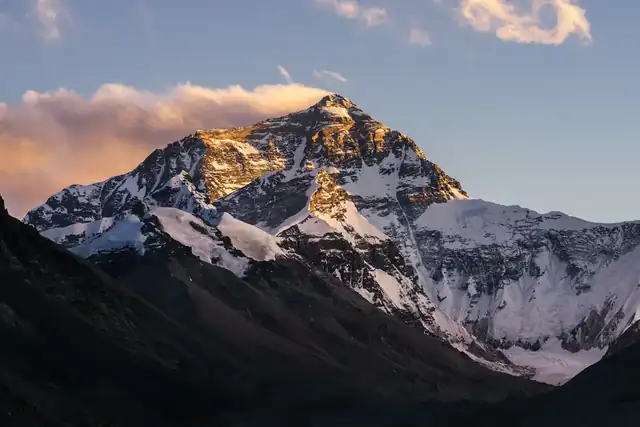
Everest is visible above the ridges from which it stands, including Nuptse, Pumori, Changtse, and others, from the top. At the time of the sunrise, the rock and snow begin to turn gold, marking one of the most rewarding moments of the trek.
Stay in Himalayan Teahouses
Trekkers stay at teahouses run by locals on each night. Simple rooms, but shared dining spaces are warm and provide hot meals and a place to rest after a long day.
The teahouse experience is an important part of the journey. People from all over the world congregate around the stove, sharing stories and getting ready for the next part of the trek.
Departures & Availability
| Start Date | End Date | Spaces | Status |
|---|---|---|---|
| 1 Oct 2026 | 14 Oct 2026 | 6 left | Available |
Itinerary
Day-by-day trail
Your Everest Base Camp Trek: 14 Days begins in Kathmandu, Nepal’s lively capital and the main arrival point for international travellers. After landing at Tribhuvan International Airport, a representative from Trek Trove Himalaya will welcome you and assist with your transfer to the hotel in Thamel. The drive from the airport gives you an early glimpse of Kathmandu’s busy streets, temples, local shops and colourful neighbourhoods. Once you reach the hotel, you can check in, rest after your flight and adjust to the local time. Later, depending on your arrival schedule, you may meet the Trek Trove Himalaya team at our Thamel office or at the hotel. We will introduce the journey, confirm the next day’s departure arrangements and answer any immediate questions about the route. You can spend the remaining time relaxing or walking through Thamel, one of Kathmandu’s best-known traveller districts. Its narrow streets are filled with trekking shops, restaurants, cafés, souvenir stores and equipment-rental outlets, making it convenient for any last-minute purchases. This first day is intentionally easy. International flights can be tiring, so the main purpose is to settle in, recover and prepare comfortably before flying to the Everest region. Driving time: approximately 20–40 minutes from the airport, depending on traffic. Practical note: Keep your passport, travel insurance details and essential trekking documents easily accessible. Any missing personal gear can usually be purchased or rented in Thamel before departure.
Price Includes
- Licensed and qualified local trekking guide
- Porter service within the agreed weight limit
- Hotel accommodation in Kathmandu
- Teahouse accommodation during the trek
- Meals during the trek
- Lukla flight arrangements from Kathmandu or Manthali, depending on seasonal operations
- Sagarmatha National Park Entry Permit and Khumbu Pasang Lhamu Rural Municipality Permit
- Airport transfers in Kathmandu
- Pre-trek briefing and equipment check at the Trek Trove Himalaya office in Thamel
- Local logistics, route assistance and on-trail support from arrival to departure
Price Excludes
- Travel insurance covering high-altitude trekking and helicopter evacuation
- Hot showers
- Wi-Fi
- Device charging
- Snacks, drinks and boiled water bought along the trail
- Tips for the guide and porter
- Excess baggage on Lukla flights
- Single-room requests
- Extra nights, itinerary changes or additional hotel and transfer costs caused by flight disruption
- Helicopter services requested because of flight disruption
- Personal trekking equipment and personal expenses
Packing List
Pack light but prepare for warm daytime walking, cool evenings, possible rain, and a cold sunrise morning.
Essential Trekking Bags
- Duffel bag, 60–80 litres: Used for clothing and equipment carried by the porter.
- Daypack, 25–35 litres: Carried by you for water, snacks, warm layers, rain protection and personal items.
- Rain covers: One for the daypack and another for the duffel if it is not waterproof.
- Dry bags or zip-lock bags: Useful for protecting electronics, documents and clean clothing.
- Keep the duffel within the porter and airline weight limits confirmed before departure.
Trekking Boots and Footwear
- Waterproof trekking boots with good ankle support
- Lightweight shoes, trainers or sandals for teahouses
- Three to five pairs of trekking socks
- One or two pairs of warm wool socks
- Optional liner socks for blister prevention
- Gaiters for winter, snow or muddy conditions
- Boots must be broken in before arriving in Nepal. New or poorly fitted footwear can cause blisters and make long descents extremely uncomfortable.
Base Layers
- Two or three moisture-wicking trekking shirts
- Two thermal tops
- One or two thermal bottoms
- Lightweight underwear
- Sports bras where required
- Avoid relying on cotton for trekking days because it holds moisture and dries slowly.
Insulating and Outer Shell Layers
- Fleece jacket or warm pullover
- Lightweight insulated jacket
- Warm down jacket suitable for sub-zero conditions
- Insulated trekking trousers or warm camp trousers
- Waterproof shell jacket with a hood
- Waterproof over-trousers
- Wind-resistant trekking trousers
- Lightweight rain poncho if preferred
- The down jacket should remain easily accessible above Dingboche, especially during breaks and early starts.
Trekking Clothes
- Two or three quick-drying trekking trousers
- Two or three long- or short-sleeved trekking shirts
- One comfortable outfit for teahouse evenings
- One lightweight pair of shorts for warmer lower sections
- Sleepwear or clean thermal clothing reserved for nighttime
- Do not pack a fresh outfit for every day. Clothing can be rotated and aired during the trek.
Warm Accessories
- Warm beanie covering the ears
- Sun hat or cap
- Neck gaiter or buff
- Lightweight liner gloves
- Waterproof insulated gloves or mittens
- Warm socks for sleeping
- Optional balaclava for winter departures
- A second pair of gloves is useful in case one pair becomes wet.
Sleeping Equipment
- Four-season sleeping bag rated to approximately -10°C to -15°C
- Sleeping-bag liner
- Inflatable or travel pillow, if preferred
- Lightweight hot-water bottle
- A warmer sleeping bag may be needed for winter departures.
Trekking Equipment
- Adjustable trekking poles
- Headlamp with spare batteries
- Refillable water bottles or hydration bladder
- Water-purification tablets or personal filter
- Sunglasses with strong UV protection
- Small sitting pad, if preferred
- Lightweight umbrella for lower rainy sections
- Multi-purpose pocket tool stored in checked baggage
Sun Protection
- High-SPF sunscreen
- SPF lip balm
- UV-protective sunglasses
- Sun hat with good coverage
- Moisturiser for dry skin
- Apply sunscreen even when the weather feels cold or cloudy.
Personal Hygiene Items
- Toothbrush and toothpaste
- Hand sanitiser
- Toilet paper
- Wet wipes
- Biodegradable soap
- Quick-drying towel
- Face wash and moisturiser
- Menstrual products where required
- Nail clippers
- Small packet of laundry soap
- Personal deodorant
Personal First-Aid Kit
- Prescription medication in original packaging
- Blister plasters and ordinary bandages
- Antiseptic cream
- Pain relief approved by your doctor
- Oral rehydration salts
- Throat lozenges
- Cough medication
- Anti-diarrhoeal medication
- Motion-sickness medication
- Personal allergy treatment
- Discuss altitude medication, including acetazolamide, with a qualified medical professional before travelling.
Documents and Money
- Passport
- Nepal visa documents
- Passport-size photographs
- Travel-insurance certificate
- Emergency-assistance details
- Flight confirmations
- Copies of passport and insurance
- Trek booking documents
- Cash in Nepali rupees
- Bank card for Kathmandu and Namche
- ATMs may be available in Namche Bazaar, but they can be unreliable. Carry enough cash for showers, charging, Wi-Fi, drinks, snacks, tips and personal purchases.
Electronics
- Mobile phone
- Camera
- Power bank
- Charging cables
- Universal travel adapter
- Spare batteries
- Offline maps or downloaded documents
- Optional e-reader
- Cold conditions reduce battery life. Keep phones, batteries and power banks inside your jacket or sleeping bag overnight.
Snacks and Hydration Support
- Energy bars
- Nuts
- Dried fruit
- Chocolate
- Electrolyte tablets
- Hard sweets
- Protein snacks
- Snacks are available along the route, but prices increase with altitude.
Optional but Useful Items
- Earplugs for thin teahouse walls
- Small padlock for luggage
- Notebook and pen
- Playing cards
- Compact binoculars
- Lightweight book
- Repair tape
- Spare boot laces
- Small sewing kit
- Microspikes for winter or icy conditions
- Lightweight camera tripod
Items You Can Rent or Buy in Kathmandu
- Down jacket
- Sleeping bag
- Trekking poles
- Duffel bag
- Crampons or microspikes when needed
- Check rented equipment carefully for warmth, cleanliness, fit and working zippers before leaving Kathmandu.
What Not to Pack
- Heavy cotton clothing
- Large cosmetic bottles
- Multiple pairs of shoes
- Valuable jewellery
- Excessive electronic equipment
- Large hard-shell suitcases for the trail
- Too many duplicate outfits
- Unnecessary camping equipment
Everest Base Camp Trek: 14 Days
- Main
- Visit
- Flight
- Overnight
Tap a stop to open the itinerary
FAQs
General Information
Difficulty and Health
Accommodation and Food
Lukla Flights
Practical Information
Booking and Customisation
Reviews
★★★★★Sarah Mitchell · United Kingdom · October 2024“Standing at Base Camp, looking up at the Khumbu Icefall, I realised this was not just a trek — it was the experience that divided my life into before and after. Tenzing and the TrekTrove team made every step feel safe, purposeful, and genuinely extraordinary. I have trekked in five countries. This was something else entirely.”
Everest Base Camp Trek
★★★★★Rajesh Karmacharya · Nepal · November 2024“As a Nepali who grew up in Pokhara, I thought I knew these mountains intimately. TrekTrove showed me corners of my own country I had never visited, connected me with communities I did not know existed, and gave me a new appreciation for the Himalayas I call home. The guides are extraordinary people.”
Annapurna Circuit — 16 Days
★★★★★Emma and Daniel Kowalski · Poland · July 2024“Lo Manthang at dawn, with the entire walled city quiet except for the sound of monks chanting in Thubchen Gompa. Nothing prepares you for that moment. Nothing we write here does it justice. We came as tourists and left as people who understood, at least a little, why the kingdom kept itself hidden for so long. TrekTrove — thank you for making this possible.”
Upper Mustang Private Expedition